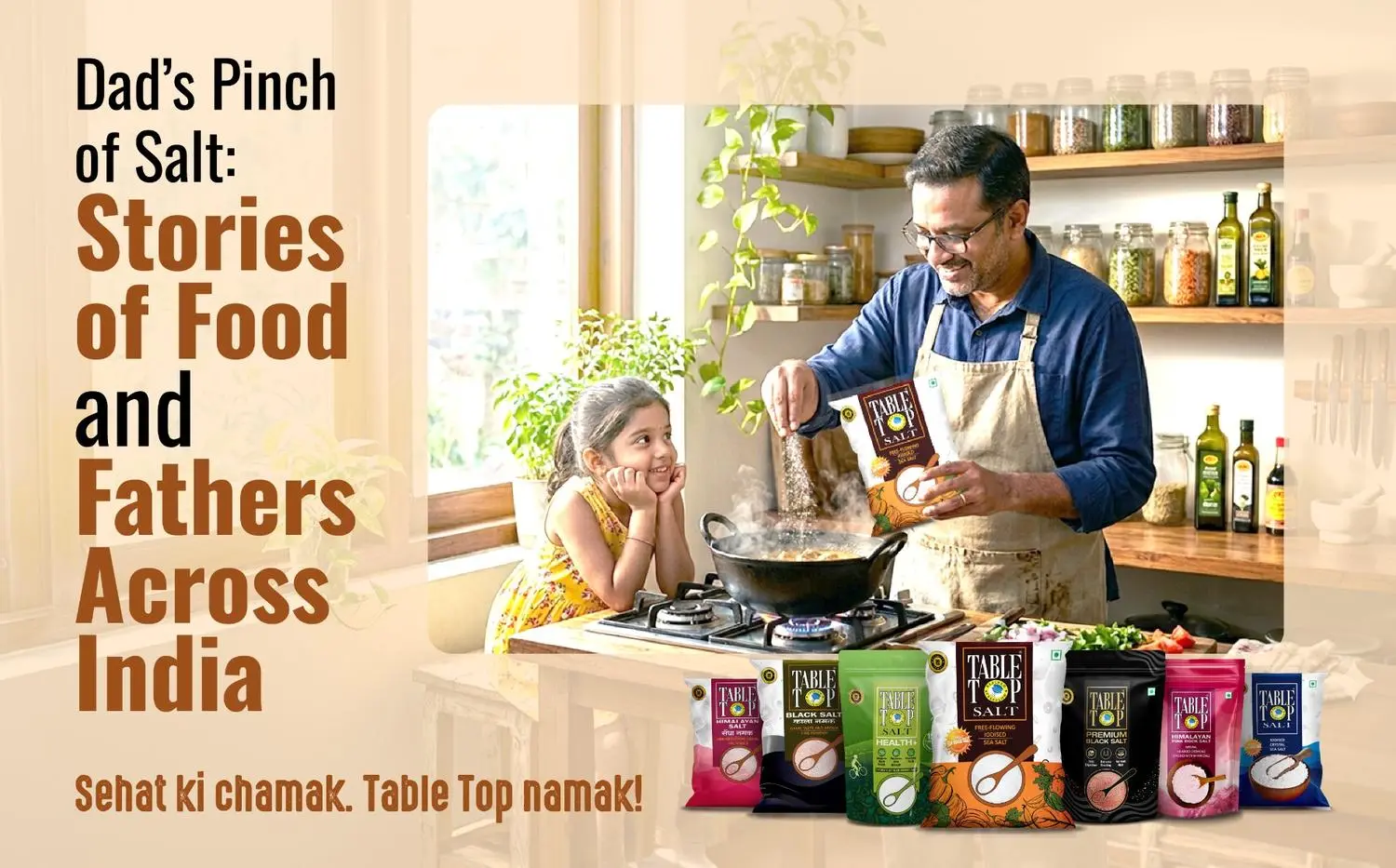
Dad’s Pinch of Salt: Stories of Food and Fathers Across India There is something oddly comforting about watching your father cook. Not because he is a professional chef or because the food looks perfect, but because fathers cook with more emotion than technique. They stand in the kitchen, partially confident and partially confused, tasting the curry every two minutes, pretending they know exactly what they are doing. And somehow, the food always tastes better when they make it. Maybe your father made Sunday mutton curry that filled the entire house with aroma. Maybe he made tea during power cuts or burnt the first dosa every single time. Maybe he only knew three dishes, but cooked them like they were family traditions. In so many Indian homes, love quietly exists in these tiny kitchen moments. One thing almost every Indian father has in common while cooking is his obsession with salt. “Just taste this once and tell me if the salt is okay.” That one sentence feels universal. But salt in Indian kitchens is not just an ingredient. There are many different types of salt for cooking and each carries its own memories, flavours and stories. Take rock salt for example. In many households, rock salt appears during fasting days, fruit chaats and homemade remedies. Fathers often crush it with their hands and sprinkle it over sliced cucumbers or guavas while casually giving life advice nobody asked for. Somehow, the snack and the lecture always come together. Then comes black salt, the king of Indian street-style flavour. One pinch of black salt can instantly make lemonade taste nostalgic. It reminds you of summer afternoons, family trips and paper plates filled with fruit chaat. Every father believes black salt can help digestion, stomach aches and probably half the world’s problems. Many people now also use kosher salt because it seasons food more evenly. Its coarse texture works beautifully on grilled vegetables, fries and roasted dishes. While it may not be traditionally Indian, it has slowly found its place in modern kitchens where fathers experiment after watching cooking videos online. During fasting seasons, sendha namak becomes essential. From sabudana khichdi to mashed potato, sendha namak adds a softer and lighter flavour to food. In many homes, fathers proudly take charge of these special meals, even if the kitchen looks like a disaster afterwards. And then there is pink rock salt, now sitting in glass jars beside regular salt in countless homes. Whether it is sprinkled over makhana or mixed into detox drinks nobody actually enjoys, pink rock salt has become part of everyday cooking conversations. But honestly, this is not really about salt. It is about fathers who may never say “I love you” easily but will quietly cut fruits for you when you are sick. Fathers who stand in the kitchen at midnight making Maggi because you had a bad day. Fathers who keep asking if the food tastes okay because they care more than they admit. Sometimes love sounds like laughter from the kitchen. Sometimes it smells of burnt garlic and hot rotis. And sometimes, it is simply your father adding one last pinch of salt before serving you food.
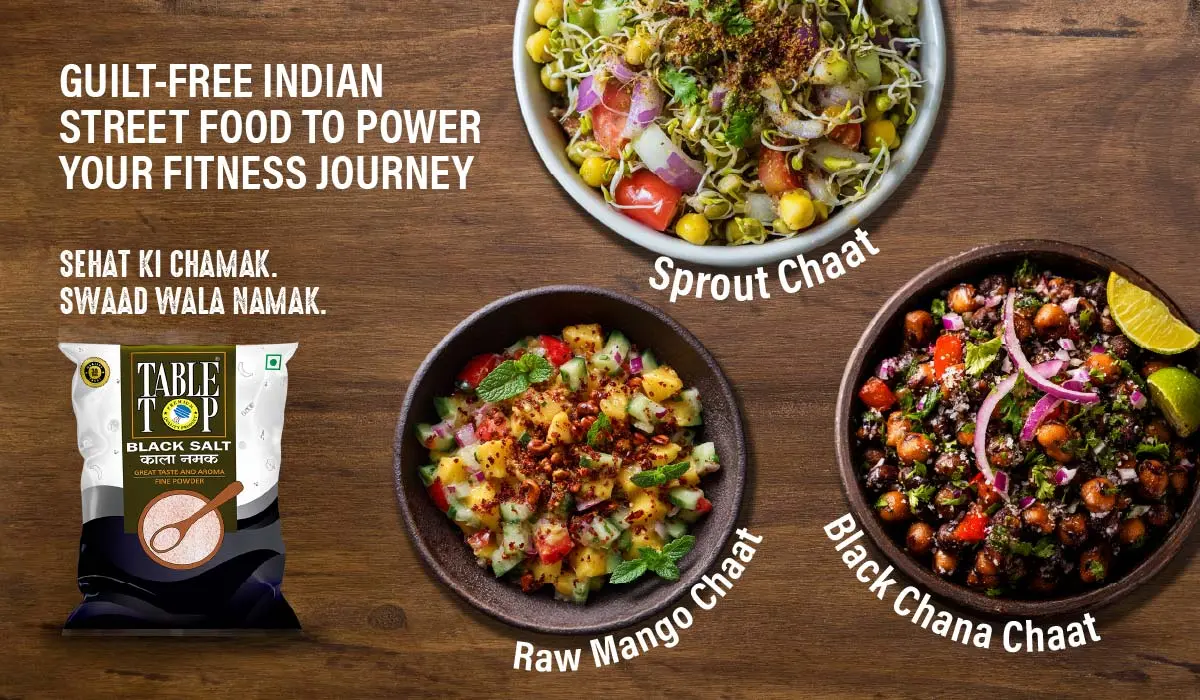
Guilt free Indian street food to power your fitness journey
Guilt free Indian street food to power your fitness journey You want to know why most diets don’t last? You don’t want to finish an entire pizza, what you are actually craving is comfort and familiarity. Your body is asking for flavours it knows and loves and when you ignore that, the cravings get louder. It’s Dieting isn’t punishment. Bland salads that have no spice and crunch can’t be a comfort meal. So instead of fighting your cravings, why not work with them? Here are some chatpata Indian street-style snacks that bring the joy of flavour without the baggage of excess calories, sodium or oil. Authentic street food isn’t unhealthy. Street food historically was meant to be filling and nutritionally balanced. Whatever you cook, the real difference often lies in the ingredients you choose. Something as simple as choosing Table Top’s Low Sodium Salt and Black Salt can support hydration, help maintain mineral balance, and improve nerve and muscle function. Here’s a few guilt free Indian snacks ideas to get you started: Chaat is a clever mix of textures, spices and fresh ingredients. With a few mindful tweaks, like choosing healthy organic salt can turn your craving into the secret for your glow. Sprout Chaat This is a recipe you can munch without guilt. Sprouts are naturally rich in protein and fibre, making this one of the easiest low calorie chaat options to include in your routine. In a bowl combine moong sprouts with onion, tomato, and cucumber. Sprinkle roasted cumin powder and chilli powder for that signature chaat warmth. Add a squeeze of fresh lemon juice and season with Healthy Organic Salt. Toss everything together gently and finish with fresh coriander. Black Channa Chaat Black channa is filling while being light on calories. It’s filling, protein-rich and perfect for midday hunger. Add the boiled black channa to a mixing bowl. Toss in chopped onions, tomato and green chilli. Sprinkle chaat masala and season with pure healthy salt. Add lemon juice and mix well until everything is evenly coated. Garnish with coriander leaves before serving. Raw Mango Chaat This is a light tangy chaat to refresh your body in this summer heat. In a bowl, mix raw mango cubes with cucumber, onion, tomato and roasted peanuts. Sprinkle roasted cumin powder and chilli powder. Add chopped mint leaves and season with Healthy Organic Salt. Toss gently and serve immediately for maximum freshness. Sometimes, it’s the smallest ingredients that make the biggest difference. To make even simple recipes shine, try paying attention to the type of salt you use, Table Top Salt offers a wide variety of pure healthy salts that can elevate your everyday dishes. When your ingredients work with you, healthy eating becomes a lifestyle not a chore.
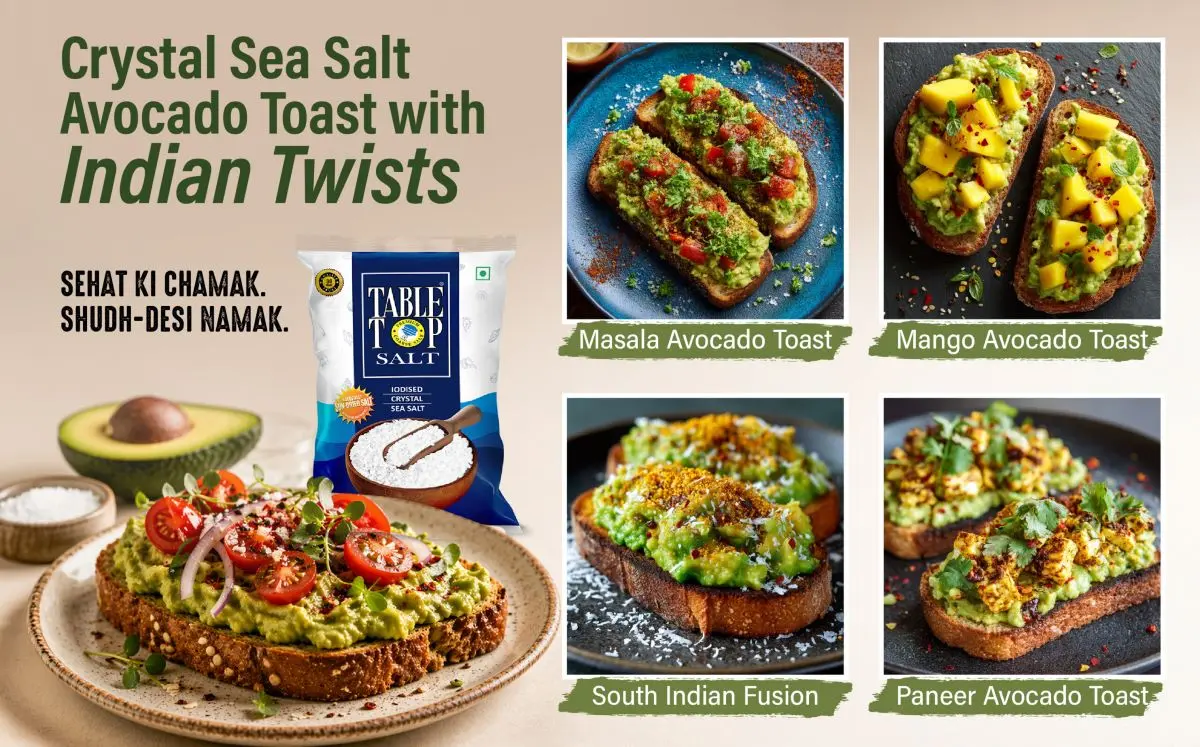
Crystal Sea Salt Avocado Toast with Indian Twists
Crystal Sea Salt Avocado Toast with Indian Twists Avocado toast! It’s everyone’s favourite choice on the socials. It’s quick, nutritious and easily one of those healthy breakfast recipes that feels fancy without needing much effort. It nourishes your body in all the right ways. Avocados are packed with healthy monounsaturated fats that support heart health and help improve cholesterol levels. When you pair it with whole-grain bread, it provides fibre that helps maintain blood sugar. It’s also highly customisable. It only has a few ingredients and that’s why quality really matters. Good bread, a perfectly ripe avocado and that tiny detail people overlook: salt. The right pinch of pure healthy salt can bring everything together and lift the flavours beautifully. That’s what turns a simple dish into one of those gourmet salt recipes you actually want to recreate at home. But for many of us who grew up enjoying dosa, paratha, poha and so many delicious breakfasts, switching to avocado toast doesn’t feel natural. So here are a few fun twists, Avocado Toast: Indian Style! Masala Avocado Toast If you want a tangy start to your day, try this out. Mash your avocado with coriander, iodised Crystal Salt, tomato, chaat masala and a squeeze of lemon. Now top it up with a quick tadka of jeera, red chilli powder, and a pinch of hing. Your masala avocado spread is ready. Mango Avocado Toast Mash your ripe avocado with a pinch of pure healthy sea salt and a light squeeze of lemon juice. When you use sea salt, you will start noticing differences in your body. Its natural minerals and clean taste help enhance flavours while supporting electrolyte balance in everyday meals. Spread the mixture generously over toasted whole-grain bread. Top with small cubes of ripe mango, a sprinkle of chilli flakes, and a few mint or coriander leaves for freshness. If you like a little tang, add a tiny pinch of chaat masala. For the best flavour, buy sea salt. It can elevate any normal dish. South Indian Fusion Mash ripe avocado with a pinch of crystal or kosher salt and a squeeze of lemon juice, then spread it over toasted bread. Top it with a spoonful of podi (gunpowder) mixed with a little sesame oil or ghee, and finish with a sprinkle of grated coconut for extra flavour. The nutty, spicy podi paired with creamy avocado makes every bite fresh and rich. To get the best flavour, choose the right salt. There are many options for online crystal sea salt and kosher salt in India. Paneer Avocado Toast Are you worried about hitting your protein goals? This recipe is for you! Spread mashed avocado on toast and top with crumbled paneer, black pepper, chilli flakes, and coriander leaves. You can lightly sauté the paneer with turmeric and organic salt for extra flavour. This version makes the recipe more wholesome. These are just ideas to get you started. You can mix, match, and do whatever feels right to your taste buds. Try a drizzle of achar instead of the usual chill oil for a tangy kick. Add a thin layer of green chutney for freshness, or sprinkle some sev on top for that fun crunch. Let your imagination run a little wild. To bring all those flavours together, don’t forget the finishing touch. A pinch of Table Top Iodised Crystal Sea Salt can enhance flavour and health. You can pick your favourite from the Table Top Salts range and add a health boost to everyday meals. All you need to make your daily start special is the right pinch of salt and a good slice of bread.
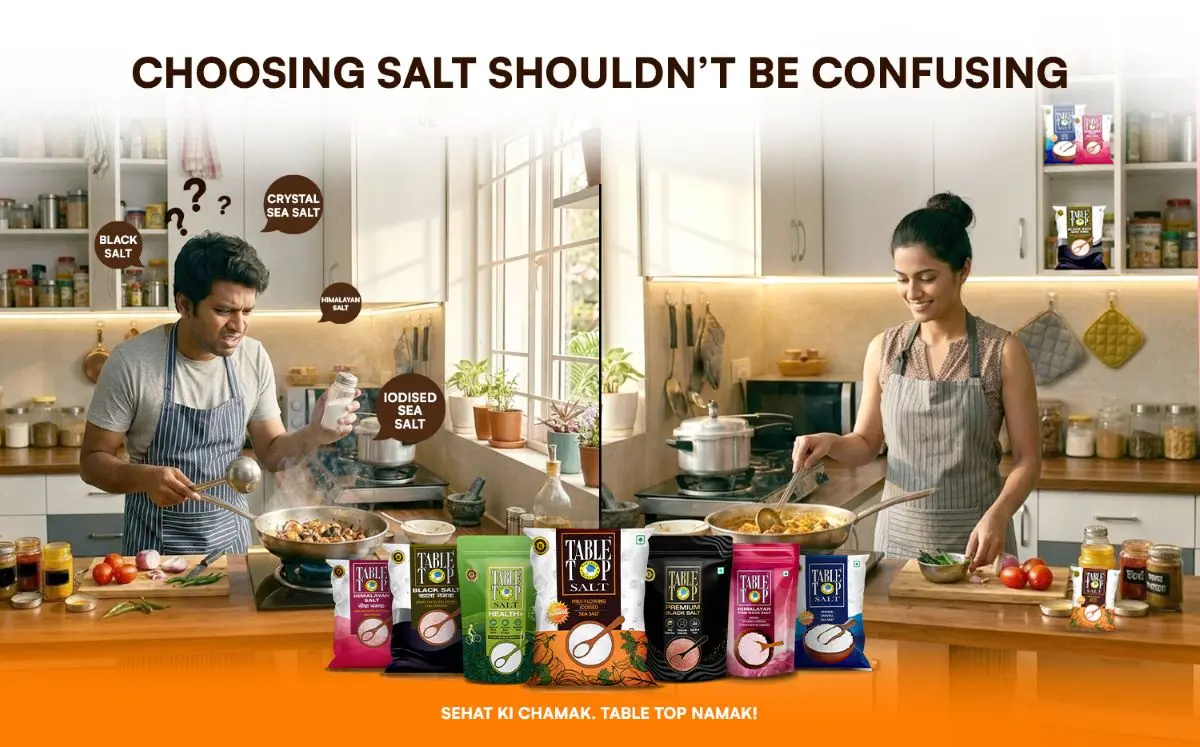
Choosing salt shouldn’t be confusing
Choosing salt shouldn’t be confusing Salt is something that a lot of people talk about when it comes to food. Some people think it is bad for you. Others really like using different kinds of salt, like pink salt or rock salt. The truth is somewhere in the middle. To make choices, we need to know what is true and what is not true about salt and understand how different salts are used for different things. Let’s clear some myths about salt. Myth 1: Salt is bad for everyone Fact: Salt is necessary. Too much of it is not. Your body needs salt to work properly to move your muscles, and to keep the amount of water in your body. The problem is when we eat too much salt, usually from packaged foods. When you use quality salt in the right amount, it is not a bad thing. We should focus on choosing the salt, not on being afraid of it. This is where choosing the kind of salt is important. Not having iodine is a big health problem in many places. One of the things about iodised salt is that it helps your thyroid work properly and keeps your metabolism in balance. Iodised salt is salt that has iodine added to it to prevent health problems. Table Top Iodised Sea Salt and Table Top Iodised Crystal Sea Salt are good for cooking every day. They are dried in the sun and have iodine added to them so they have the ingredients and nutrients you need. Whether you are making meals like dal, sabzi or soups using iodised salt means you are being responsible when you season your food. Myth 2: Sendha Namak is for fasting Fact: Sendha namak is good for more than just fasting. Sendha namak, also known as rock salt, is often used when people are fasting. It has a mild flavour and minerals that make it a good choice for regular cooking too. It is great in dishes like chaats, fruit bowls and other light meals where you want a flavour. Table Top Sendha Namak has a taste and a balanced texture, making it a good choice for people who like a milder salt flavour in some dishes. Myth 3: Low sodium salt means no taste Fact: Low sodium salt is about using less salt, not about having no flavour. For people who need to watch how much salt they eat or who have high blood pressure, low-sodium salt can be a good choice. These salts replace some of the sodium with potassium, which helps reduce the amount of sodium you eat while still having flavour. When you choose low-sodium salt carefully and use it when you need to, you can season your food in a way without giving up flavour. Myth 4: Healthy organic salt is always better Fact: Salt is a mineral, not a plant that grows. People often talk about organic salt, but that is not always what it seems. Salt is not something that grows, so what really matters is how pure it is, how it is processed and if it has anything added to it. Salt that is not processed much, dried in the sun and has natural minerals is a better choice. Table Top Salt has a range of salts, including Pink Rock Salt and Black Salt, that can be used in different kinds of cooking. Himalayan Pink Rock Salt is great for salads and finishing dishes because it looks nice and has a flavour. Black Salt has a tangy flavour that is perfect for raitas and chaats.The real takeaway Understanding what is true and what is not true about salt helps you make choices and not get confused by what people say. Iodised salt is good for your health. Sendha namak is a choice when you want a lighter flavour. Low sodium salt helps you eat salt. Special salts, like black salt and pink salt, make certain dishes taste better. Salt is not the problem. Not knowing what is true is the problem. The smart thing to do is not to stop using salt but to choose the kind of salt for the right job and use it in moderation.
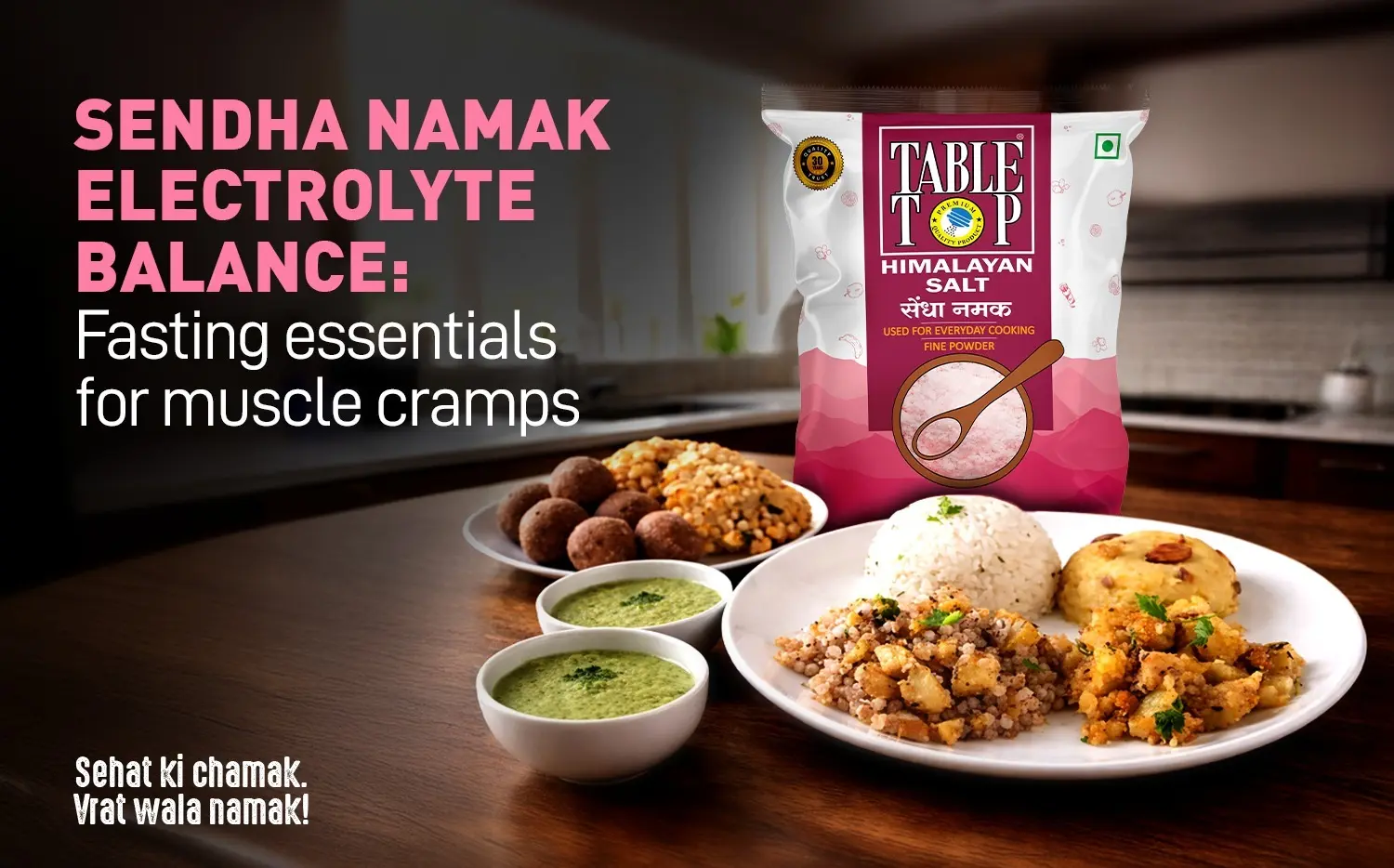
Sendha Namak electrolyte balance: Fasting essentials for muscle cramps
Sendha Namak electrolyte balance: Fasting essentials for muscle cramps Ever feel those nagging muscle cramps turn your fasting days upside down, pulling you away from prayers or focus? Sendha namak steps in as the real game-changer. This rock salt keeps electrolytes balanced perfectly and wipes out twitches so you power through vrats feeling strong. What makes Sendha Namak stand our Sendha namak forms naturally in ancient underground mines over centuries. It arrives pure and unrefined with no chemicals or bleaching, unlike regular table salt. Key minerals include sodium for hydration, potassium for heart rhythm, magnesium for muscle calm, calcium for bone strength and iron for oxygen transport. It qualifies as healthy salt and organic salt, thanks to 84 trace elements retained fully. Often called rock salt and known as a powerful fasting salt, sendha namak has been trusted for centuries in Indian vrats and detox rituals for keeping the body nourished even without regular meals. The subtle pink tint and crisp taste signal its superior quality right away. Sendha Namak benefits during fasting The wide range of sendha namak benefits comes from its rich mineral profile and natural purity. From preventing cramps and fatigue to supporting digestion and hydration, these are the real benefits of sendha namak that make it a must-have during fasts. Mastering electrolytes during fasts Fasting causes quick electrolyte loss through sweat, urine and daily functions. Muscles weaken fast without sodium, potassium and magnesium balance, sparking fatigue. Nerves misfire, bringing dizziness or headaches. A pinch of sendha namak in water restores them instantly. Hydration reaches deeper levels as cells hold fluids better and the body’s pH levels stay even, dodging acid buildup that drains energy. Understanding cramp triggers in fasts Cramps develop from mineral gaps when meals stop. Dehydration drains muscle fluids further, tightening everything up and your legs are often the first to seize. Sendha namak counters with potassium to relax contractions and magnesium to halt spasms, while sodium locks fluids in place for muscles. Relief flows in minutes after a sip, much like the electrolytes athletes use post-workout. Smoothing digestion effortlessly Sendha namak activates gut enzymes for better food breakdown. Bloating from fruits or starches vanishes quickly as it draws water into the intestines to ease constipation naturally. Its alkaline qualities calm lining irritation, common in fasts, helping you digest potato dishes or sabudana easily. Inviting deeper sleep Minerals balance stress hormones, quieting an overactive mind. Magnesium relaxes nerves fully for sound rest, deepening sleep cycles. Sendha namak boosts your vrat endurance so you feel refreshed in the mornings. Fortifying bones naturally Calcium pairs with magnesium to build bone density steadily. Risk of fractures drops as the structure toughens. Daily use delivers resilience without supplements, making it perfect for active fast days. Empowering immunity daily Trace minerals supercharge white blood cells against invaders. Germs struggle more to stick around with sendha namak, turning fasts into strength builders. Balancing blood pressure smartly Sendha namak excels in blood pressure control with its low refined sodium and rich potassium blend. Potassium widens blood vessels for effortless flow, easing the heart workload. Dehydration spikes get blocked during fasts and arteries remain supple over months, slashing heart disease odds. Powering natural detox During fasting, the body can feel strained due to low fluid and mineral intake. Sendha namak, when taken in small amounts with warm water, is traditionally believed to help maintain hydration and support the body’s natural cleansing processes. This helps the kidneys and liver function smoothly while the body adapts to fasting. Thus, Sendha namak turns fasts into smooth wins. Electrolytes lock perfectly. Cramps vanish quietly. Health perks multiply endlessly.

9 Interesting Reasons Why You Are Craving Salt
Salt (C)rush: 9 Reasons you’re craving salt (and what your body is telling you) Salt cravings are a lot like having a crush – sudden, intense and oddly specific. One minute you’re calmly reading a book, and the next, you look up and there it is… your crush walking straight towards you. Except here, it’s your favourite salted chips sliding out of the vending machine – and yes, you recognise that sound instantly. Sometimes this craving passes as quickly as it came. Other times, it’s your body trying to tell you something worth paying attention to. When you take a step back and look at your routine, your health and those salt cravings together, things feel a lot clearer. They’re usually signals, not red flags, as long as you don’t get lost in the noise of ‘healthy’ salt myths and focus on the truth about salt. Why your body cares about salt Before we decode your cravings, it’s better if we understand salt’s role in maintaining our health. Salt is the main source of sodium in most diets, and sodium helps regulate fluid balance, blood pressure, nerve signals and muscle function. These are some of the core natural benefits of salt that your body relies on every day. When people talk about organic salt or pure healthy salt, what truly matters isn’t miraculous claims but the quality and mindful use of this seasoning. Let’s find out why your body keeps crushing on salt: You’re dehydrated Not drinking enough water, especially after sweating, illness or long tiring days, can lower fluid and sodium levels. Your brain may respond by pushing you towards salty foods as a quick fix. Your body needs sodium Very low-salt diets, certain medications (like diuretics) or excessive sodium loss can trigger strong salt cravings. In these cases, your body isn’t indulging but protecting itself. You’ve been sweating more than usual Heat, workouts and humid commutes drain sodium through sweat. The post-exercise urge for something salty is often your body asking for balance, not junk. Stress is driving comfort eating Stress hormones like cortisol are linked to cravings for intense flavours. Salty snacks activate reward centres in the brain, offering short-term relief during emotional overload. You’re not sleeping well Poor sleep disrupts appetite hormones, which in turn increases cravings for salty, high-fat foods. Your diet is highly processed Ultra-processed foods train your taste buds to expect high salt levels. Over time, home-cooked meals can feel bland, even when seasoned with natural salt, making you yearn for more salt. It’s a habit, not a need Sometimes salt cravings are reflective of your routine; Netflix and chips or adding salt just before tasting food. These are comfort cues, not nutritional signals. So, be careful of the routines you set. You’re low on other minerals Imbalances in potassium or magnesium can influence how your body perceives salt needs. Cravings paired with fatigue or cramps may hint at a broader mineral imbalance. Get that checked before it turns into a health hazard. Rarely, it can be medical Persistent, intense salt cravings along with symptoms like dizziness, fatigue, low blood pressure or weight loss can signal underlying conditions. In such cases, medical advice matters more than dietary tweaks. From a salt (c)rush to a healthy relationship Craving salt occasionally is completely normal. The key is knowing whether it’s a fleeting want, a habit or a genuine signal from your body. There’s a big difference between mindlessly eating ultra-processed snacks and thoughtfully seasoning meals with quality salt. Choose clean and well-refined natural salt like Table Top Iodised Sea Salt, where every pinch delivers dependable taste, iodine support and consistent quality, so the salt on your plate works with your wellbeing, not against it.